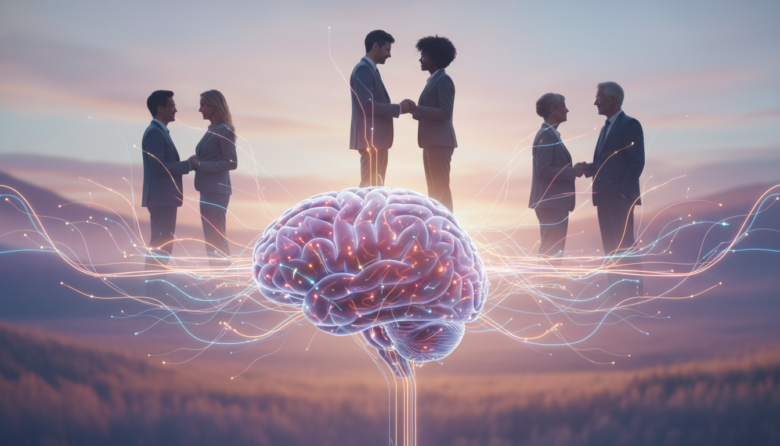
“The greatest happiness of life is the conviction that we are loved; loved for ourselves, or rather, loved in spite of ourselves.” – Victor Hugo. This poignant quote encapsulates the essence of love and attachment, a complex and multifaceted phenomenon that has been studied extensively in the field of neuroscience.
Understanding the intricacies of love and long-term attachment is crucial for building and maintaining meaningful relationships. Recent advances in neuroscience have shed new light on the mechanisms underlying attachment, revealing the intricate dance of neurotransmitters, hormones, and brain regions that govern our emotional experiences.
By exploring the neuroscience of love and attachment, we can gain a deeper understanding of the factors that contribute to healthy, fulfilling relationships.
Key Takeaways
- Neuroscience provides valuable insights into the mechanisms underlying love and attachment.
- Understanding attachment theory can help individuals build stronger, more meaningful relationships.
- The interplay between neurotransmitters, hormones, and brain regions plays a crucial role in attachment.
- Recent advances in neuroscience have shed new light on the complexities of love and attachment.
- Exploring the neuroscience of love and attachment can lead to a deeper understanding of healthy, fulfilling relationships.
The Science Behind Our Deepest Connections
The human brain is wired for love, and understanding this can reveal the intricacies of our deepest connections. Love is not just a feeling but a complex neurobiological process that drives our behaviors and emotions.
How Our Brains Process Love
When we experience love, various regions of the brain are activated. The release of neurotransmitters such as dopamine, oxytocin, and vasopressin plays a crucial role in forming emotional bonds. These chemicals stimulate the brain’s reward system, reinforcing attachment behaviors. Understanding the neuroscience of love helps us appreciate the biological underpinnings of our emotional lives.
The Evolutionary Purpose of Attachment
Attachment is not just a byproduct of love; it serves an evolutionary purpose. It ensures the survival of the species by promoting bonding between parents and offspring, as well as between mates. This bonding is crucial for the protection and nurturing of young, enhancing their chances of survival. The evolutionary purpose of attachment is thus deeply intertwined with human survival and well-being.
In conclusion, the neuroscience of love and attachment reveals the complex interplay between our brains, emotions, and behaviors. By understanding how our brains process love and the evolutionary reasons behind attachment, we can gain a deeper appreciation for the intricate mechanisms that drive our deepest connections.
The Neuroscience of Love and Attachment: An Overview
The human experience of love and attachment is rooted in a sophisticated neurobiological framework that shapes our relationships. This complex interplay involves multiple brain regions and neural circuits working in harmony to create the rich tapestry of human emotions.
Key Brain Regions Involved in Love
Love is not confined to a single part of the brain; rather, it is a distributed process involving several key regions. Two crucial areas are particularly noteworthy:
The Limbic System: Our Emotional Core
The limbic system plays a pivotal role in processing emotions, including those associated with love and attachment. It includes structures such as the amygdala, hippocampus, and hypothalamus, which together contribute to the emotional and motivational aspects of love.
The Prefrontal Cortex: Rational Love
The prefrontal cortex is involved in the rational and decision-making aspects of love. It helps in assessing the long-term implications of our emotional decisions, thereby balancing the emotional and rational components of love.
The Neural Circuits of Attachment
Attachment is mediated by specific neural circuits that involve the interaction of various neurotransmitters and hormones. Key among these are:
- Dopamine: Associated with the reward pathway and pleasure.
- Oxytocin: Often referred to as the “bonding hormone,” it plays a crucial role in social bonding and attachment.
- Vasopressin: Linked to long-term monogamy and pair-bonding.
These neurotransmitters and others work together to create the complex experience of attachment, influencing how we form and maintain relationships.
Love at First Sight: The Neurochemistry of Attraction
The intense attraction we feel when we fall in love is not just a romantic notion; it’s rooted in complex neurochemical processes. When we encounter someone we’re drawn to, our brain undergoes a significant chemical shift, leading to the euphoria associated with new love.
Dopamine and the Reward Pathway
Dopamine is often referred to as the “pleasure molecule.” It’s a key player in the brain’s reward pathway, motivating us to pursue pleasurable activities, including falling in love. When we’re attracted to someone, dopamine release contributes to feelings of pleasure and attachment.
Norepinephrine and the Excitement of New Love
Norepinephrine is another crucial neurotransmitter involved in the experience of falling in love. It stimulates the body’s fight-or-flight response, leading to increased heart rate, energy, and excitement. This can result in the characteristic symptoms of being “love-struck,” such as a racing heart and feeling flushed.
Serotonin Depletion and Obsessive Thoughts
Research has shown that individuals who are newly in love often have lower levels of serotonin, a neurotransmitter associated with mood regulation. This depletion can lead to obsessive thinking about the loved one, a common experience for those who are falling deeply in love.
The combination of these neurotransmitters—dopamine, norepinephrine, and serotonin—creates the complex neurochemical landscape of attraction. Understanding these processes can provide insights into why we experience love in the way that we do.
- Dopamine release is associated with pleasure and reward.
- Norepinephrine stimulates excitement and energy.
- Serotonin depletion can lead to obsessive thoughts.
By exploring the neurochemistry behind love at first sight, we gain a deeper appreciation for the biological underpinnings of our emotional experiences.
Beyond the Honeymoon Phase: How Attachment Forms
As passionate love matures, it evolves into a deeper, more enduring form of attachment. This transition is crucial for long-term relationship satisfaction. The shift from intense passion to a profound connection involves significant biochemical changes in the brain.
The Transition from Passionate to Companionate Love
Passionate love, characterized by intense attraction and desire, gradually gives way to companionate love, marked by deep affection and commitment. This transition is natural and necessary for the longevity of a relationship. Companionate love fosters a sense of security and stability, allowing partners to build a life together.
“The greatest happiness of life is the conviction that we are loved; loved for ourselves, or rather, loved in spite of ourselves.” – Victor Hugo
Oxytocin: The Bonding Hormone
Oxytocin plays a crucial role in the formation of attachment. Often referred to as the “love hormone,” oxytocin is released during physical touch and intimacy, promoting feelings of bonding and trust.
Touch and Its Impact on Oxytocin Release
Physical touch is a powerful trigger for oxytocin release. Simple acts like holding hands, hugging, or cuddling can stimulate oxytocin production, strengthening the bond between partners.
Building Trust Through Biochemistry
The release of oxytocin during positive interactions builds trust and reinforces attachment. This biochemical process underpins the development of a secure and loving relationship.
Vasopressin and Long-Term Commitment
Vasopressin has been linked to long-term commitment and monogamy. Research suggests that vasopressin plays a role in the formation of pair bonds, supporting the notion that it is involved in the biochemical basis of long-term attachment.
Understanding the roles of oxytocin and vasopressin in attachment can help couples nurture their relationships. By fostering a deeper connection through touch and positive interactions, partners can build a strong foundation for long-term love and commitment.
Attachment Styles Through the Lens of Neuroscience
Neuroscience sheds new light on how our attachment styles develop and influence our relationships. By understanding the neural mechanisms behind attachment, we can better appreciate the complexities of human connection.
Secure Attachment and Brain Development
Secure attachment is associated with healthy brain development, particularly in regions related to emotional regulation and social bonding. Individuals with secure attachment styles tend to have a more balanced response to stress and are better equipped to form and maintain healthy relationships.
Anxious and Avoidant Patterns in Neural Activity
Anxious and avoidant attachment styles are linked to distinct patterns of neural activity. Anxious attachment is characterized by hyperactivation of the brain’s reward and emotional centers, leading to intense emotional dysregulation. Avoidant attachment, on the other hand, is associated with deactivation of emotional processing areas, resulting in emotional numbing.
How Early Experiences Shape Adult Relationships
Early life experiences play a crucial role in shaping our attachment styles. Adverse childhood experiences can lead to insecure attachment patterns, which can persist into adulthood and affect our relationships.
The Neuroplasticity of Attachment Patterns
The good news is that attachment patterns are not fixed. Neuroplasticity allows for the reorganization of neural pathways based on new experiences. This means that individuals can work towards developing a more secure attachment style through:
- Mindfulness and self-reflection
- Seeking supportive relationships
- Therapeutic interventions
Breaking Negative Cycles
By understanding the neuroscientific basis of our attachment styles, we can begin to break negative cycles that have held us back. Recognizing the potential for neuroplasticity offers hope for personal growth and improved relationships.
Embracing this knowledge empowers us to nurture healthier, more fulfilling connections with others.
The Neuroplasticity of Love: How Relationships Change Our Brains
The human brain’s ability to reorganize itself in response to new experiences, known as neuroplasticity, plays a crucial role in how we form and maintain loving relationships. This concept challenges the long-held idea that the brain is a fixed, unchangeable entity that cannot be modified after a certain age.
Being in a loving relationship can lead to significant changes in the brain, affecting both its structure and function. Neuroplasticity allows our brains to adapt and change in response to our experiences, including those related to love and attachment.
Structural Changes in Long-Term Relationships
Research has shown that long-term relationships can lead to changes in the brain’s structure, particularly in areas related to emotional regulation, memory, and social bonding. For instance, studies have found that individuals in long-term monogamous relationships tend to have a larger hypothalamus, a region involved in emotional processing and attachment.
- Increased grey matter in areas related to emotional regulation
- Enhanced neural connections between regions involved in social bonding
- Changes in the hypothalamus, a region crucial for emotional processing
How Healthy Relationships Enhance Brain Function
Healthy, loving relationships can have a profoundly positive impact on brain function. They can enhance cognitive function, improve emotional regulation, and even contribute to a lower risk of neurological disorders. The emotional support and sense of security provided by a loving partner can reduce stress and promote overall well-being.
Healing Through Connection: Rewiring Attachment Patterns
One of the most significant aspects of neuroplasticity in the context of love is its potential for healing and rewiring attachment patterns. Individuals with insecure attachment styles can, through positive, loving relationships, rewire their brains to develop more secure attachment patterns. This process involves changes in the neural circuits associated with attachment and emotional regulation.
By understanding the neuroplasticity of love, we can harness the power of our relationships to promote personal growth, healing, and positive change in our brains.
When Love Hurts: The Neuroscience of Heartbreak and Loss
The end of a loving relationship can trigger a cascade of emotional and neurological responses. Heartbreak is a complex phenomenon that affects not only our emotional well-being but also our physical health.
The Physical Pain of Emotional Wounds
Research has shown that the brain processes emotional pain similarly to physical pain. The anterior cingulate cortex, a region of the brain involved in pain perception, is activated during heartbreak. This is why the loss of a loved one can feel like a physical wound.
Studies have found that the brain’s reward system is also affected during heartbreak, leading to feelings of withdrawal and craving. This can be attributed to the decrease in dopamine levels, a neurotransmitter associated with pleasure and attachment.
Grief, Attachment, and the Brain’s Response to Separation
Grief is a natural response to loss, and it involves a complex interplay of neural circuits. The brain’s attachment system, which is responsible for forming emotional bonds, is disrupted during heartbreak. This can lead to feelings of intense emotional pain and longing.
“The brain is a complex organ, and its response to heartbreak is multifaceted. Understanding the neuroscience behind heartbreak can help us develop new strategies for coping with loss.”
Recovery and Neural Adaptation After Loss
While heartbreak can be a debilitating experience, the brain has a remarkable ability to adapt and recover. The process of recovery involves neural plasticity, which allows the brain to rewire and form new connections.
The Science of Resilience
Resilience is key to recovering from heartbreak. Research has shown that individuals with higher levels of resilience are better able to cope with the emotional pain of loss. This is because resilience is associated with increased activity in brain regions involved in emotional regulation.
- Resilience can be developed through practices such as mindfulness and self-compassion.
- Social support from friends and family can also play a crucial role in recovery.
- Engaging in new activities and hobbies can help stimulate neural plasticity.
How New Connections Form After Heartbreak
After a period of heartbreak, it’s possible to form new connections and attachments. This process involves the brain’s ability to rewire and adapt. By engaging in new experiences and forming new relationships, individuals can stimulate the growth of new neural pathways.
- Meeting new people and forming new social connections.
- Engaging in activities that promote neural plasticity, such as learning a new skill.
- Practicing self-care and self-compassion.
Love Across the Lifespan: How Attachment Changes with Age
From the tumultuous emotions of adolescent love to the deep bonds of later life, attachment evolves significantly across our lifespan. As we journey through different life stages, our brains undergo various changes that influence how we form and maintain relationships.
Adolescent Love and the Developing Brain
During adolescence, the brain is in a state of significant flux, with regions associated with emotional processing and reward, such as the amygdala and nucleus accumbens, being particularly active. This can lead to intense emotional experiences, characteristic of first loves. As the adolescent brain matures, it begins to develop more sophisticated regulatory mechanisms, influencing how love is experienced and expressed.
Middle Age: Stability and Deepening Neural Connections
In middle age, relationships often become more stable and enduring. The brain’s neural connections continue to evolve, with oxytocin and vasopressin playing crucial roles in bonding and attachment. This period is characterized by a deepening of emotional intimacy and a strengthening of long-term bonds.
“The greatest happiness of life is the conviction that we are loved; loved for ourselves, or rather, loved in spite of ourselves.” – Victor Hugo
Love in Later Life: Neurological Benefits of Long-Term Bonds
In later life, long-term attachments can have profound neurological benefits. Studies have shown that older adults in stable, loving relationships tend to have better cognitive health and well-being. The emotional support and companionship provided by these bonds can contribute to a healthier brain and a more fulfilling life.
Understanding how love and attachment change across the lifespan can help us appreciate the dynamic nature of human relationships. By recognizing the neurological underpinnings of love at different life stages, we can foster more empathetic and supportive connections throughout our lives.
Practical Applications: Using Neuroscience to Strengthen Relationships
Understanding the neuroscience behind love and attachment can revolutionize our relationships. By applying neuroscientific insights, we can foster deeper, more meaningful connections with others.
Science-Based Approaches to Building Connection
One of the key findings from neuroscience is the importance of emotional attunement in building strong relationships. This involves being fully present and responsive to our partner’s emotional needs. Practicing active listening and showing empathy can significantly enhance emotional connection.
Another approach is to cultivate gratitude within the relationship. Focusing on the positive aspects of our partner and expressing appreciation can strengthen the bond between individuals. Neuroscience suggests that gratitude activates the brain’s reward system, releasing dopamine and promoting feelings of pleasure and attachment.
Mindfulness and Its Impact on Relationship Neurobiology
Mindfulness practices have been shown to positively impact relationship dynamics by reducing stress and increasing emotional resilience. By being more mindful, individuals can better regulate their emotions and respond to their partner’s needs more effectively. This can lead to a more harmonious and fulfilling relationship.
Regular mindfulness practice can also enhance the neural circuits involved in empathy and compassion, further strengthening the emotional bond between partners. Incorporating mindfulness into daily life can be as simple as taking a few minutes each day to focus on breathing or engaging in a mindful walk.
Therapeutic Interventions Based on Attachment Neuroscience
Therapeutic interventions informed by attachment neuroscience offer a promising approach to addressing relationship challenges. Techniques such as emotionally focused therapy (EFT) help partners understand and respond to each other’s attachment needs, promoting a more secure attachment style.
By understanding the neural basis of attachment and applying evidence-based therapeutic interventions, individuals can work towards building more secure, loving relationships. This not only enhances personal well-being but also contributes to the development of healthier, more resilient communities.
Conclusion: What Neuroscience Teaches Us About Nurturing Love
Understanding the neuroscience behind love and attachment can profoundly impact how we nurture our relationships. By recognizing the complex interplay of neurotransmitters, hormones, and brain regions involved in love, we can better appreciate the intricacies of human connection.
The neuroscience of love reveals that our brains are wired for attachment, and that long-term relationships involve significant neural adaptations. By acknowledging the role of oxytocin, vasopressin, and dopamine in bonding, we can harness this knowledge to foster deeper, more meaningful connections.
Nurturing love requires a multifaceted approach, incorporating empathy, mindfulness, and a willingness to grow together. As we cultivate a deeper understanding of the neuroscience underlying love, we can develop more effective strategies for building and maintaining strong, healthy relationships.
By embracing the insights offered by neuroscience, we can transform our understanding of love and attachment, ultimately enriching our personal connections and promoting a more compassionate, loving society.